pluriSelect Blog

Page

How the Pipette-Strainer Streamlines Cell and Particle Filtration Workflows

How the Pipette-Strainer Streamlines Cell and Particle Filtration Workflows
Filtration is one of the most common steps in laboratory sample preparation. Whether researchers...
Read more

How pluriSpin® Human CD19⁺ Cell Depletion Helps Researchers Isolate Cleaner Non-B Cell Populations

How pluriSpin® Human CD19⁺ Cell Depletion Helps Researchers Isolate Cleaner Non-B Cell Populations
The ability to isolate specific immune cell populations is critical for many areas of biomedical...
Read more

How SnapCap Strainers Simplify Sample Preparation and Debris Removal in One Step

How SnapCap Strainers Simplify Sample Preparation and Debris Removal in One Step
Sample preparation is one of the most important stages in laboratory workflows. Whether researchers...
Read more

Five Common Cell Separation Challenges and How to Solve Them

Five Common Cell Separation Challenges and How to Solve Them
Cell separation is a fundamental step in many areas of life science research, including immunology,...
Read more

How Antibody-Based Cell Isolation Improves Rare Cell Recovery

How Antibody-Based Cell Isolation Improves Rare Cell Recovery
Rare cell populations play a critical role in many areas of life science research. Whether...
Read more

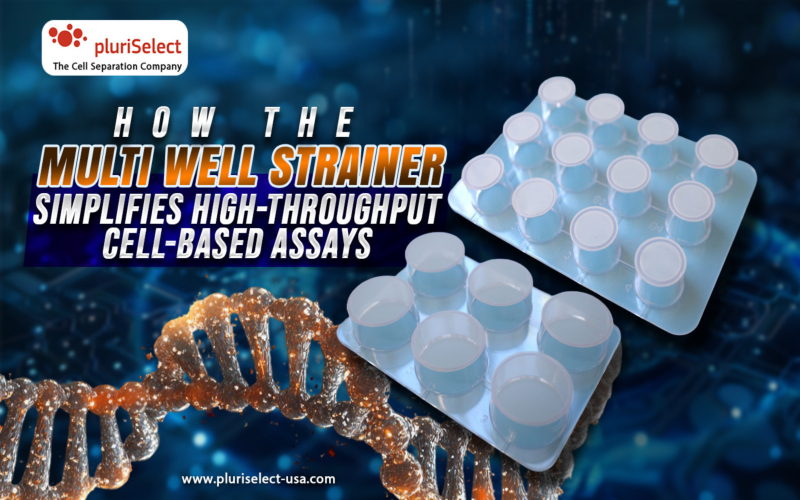
How the Multi Well Strainer Simplifies High-Throughput Cell-Based Assays

How the Multi Well Strainer Simplifies High-Throughput Cell-Based Assays
High-throughput cell-based assays play an important role in laboratory research by allowing...
Read more

Why the pluriStrainer® Mini Is the Best Choice for Small-Volume Sample Processing

Why the pluriStrainer® Mini Is the Best Choice for Small-Volume Sample Processing
Small-volume samples are often some of the most valuable materials handled in a laboratory. Whether...
Read more

How pluriMate® Improves PBMC Isolation from Whole Blood and Bone Marrow

How pluriMate® Improves PBMC Isolation from Whole Blood and Bone Marrow
Peripheral blood mononuclear cells (PBMCs) are among the most frequently isolated cell populations...
Read more

How pluriStrainer® Maxi Simplifies Sample Preparation for Microplastic Analysis

How pluriStrainer® Maxi Simplifies Sample Preparation for Microplastic Analysis
Microplastic analysis often begins with a sample that contains much more than the particles...
Read more

How Multi Well Strainers Simplify High-Throughput Parasite and Nematode Assays

How Multi Well Strainers Simplify High-Throughput Parasite and Nematode Assays
Laboratories studying parasites, nematodes, and other multicellular organisms often need to...
Read more

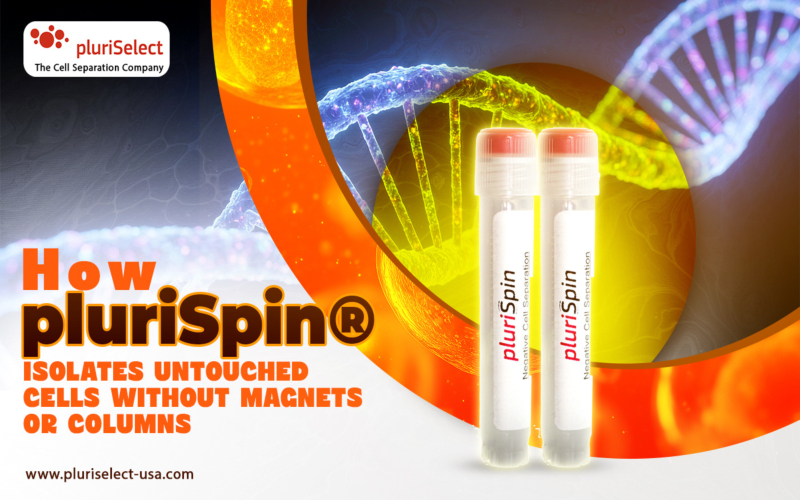
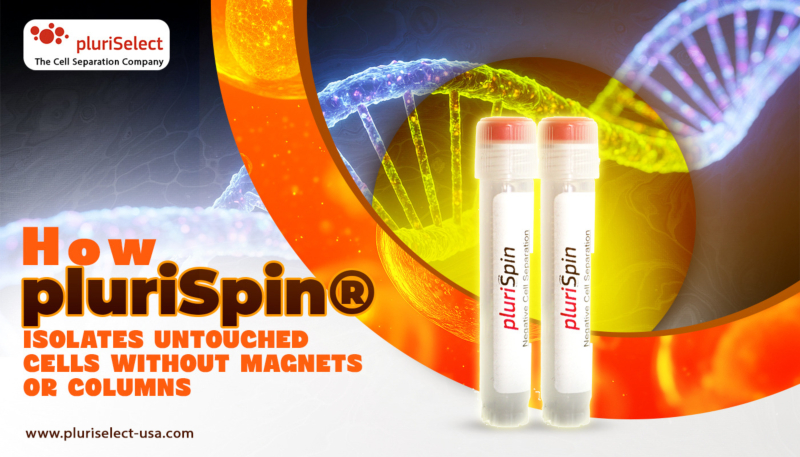
How pluriSpin® Isolates Untouched Cells Without Magnets or Columns

How pluriSpin® Isolates Untouched Cells Without Magnets or Columns
Isolating a specific cell population from a mixed sample often requires more than simply separating...
Read more

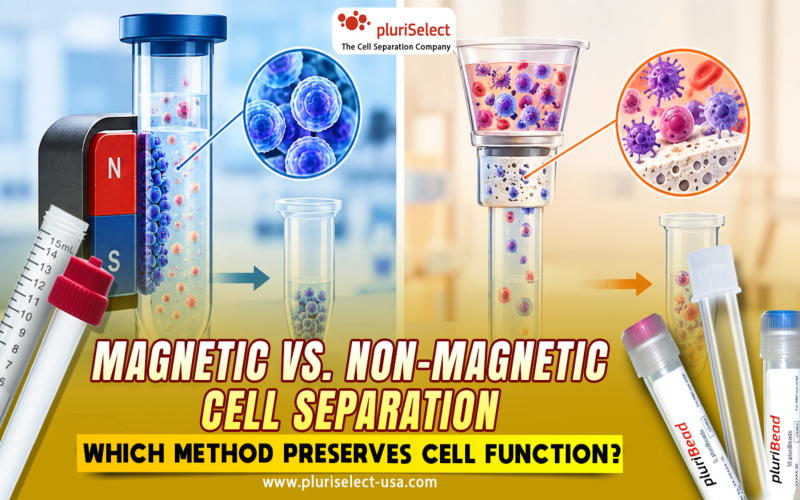
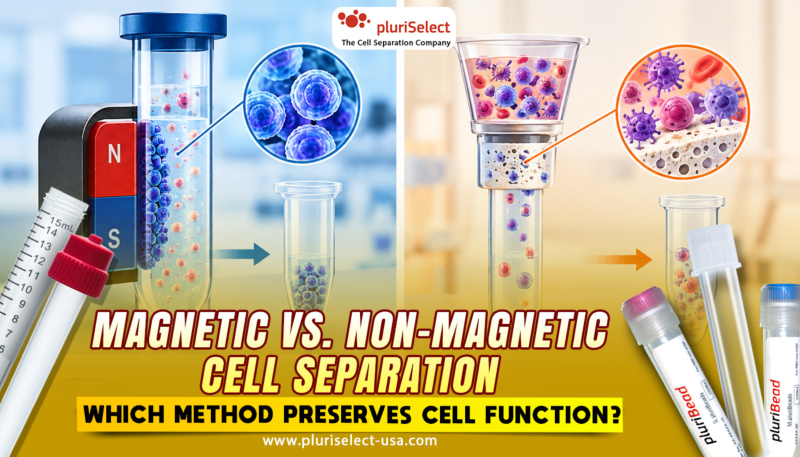
Magnetic vs. Non-Magnetic Cell Separation: Which Method Preserves Cell Function?

Magnetic vs. Non-Magnetic Cell Separation: Which Method Preserves Cell Function?
Cell separation is often treated as a preparation step, but what happens during isolation can...
Read more

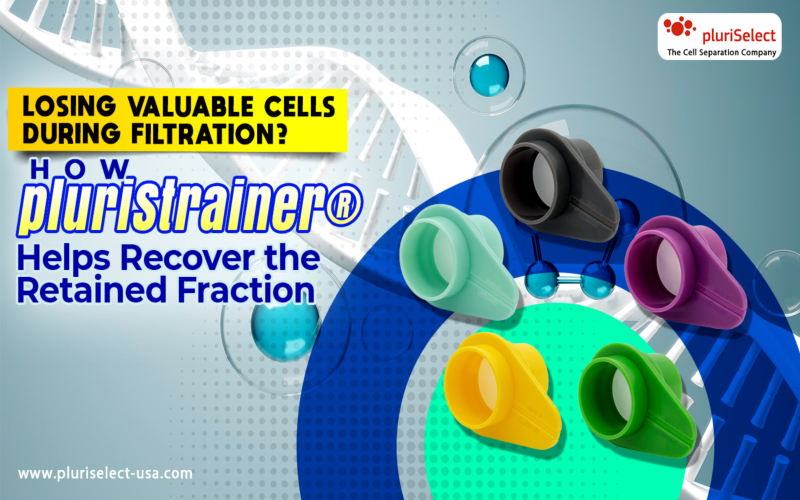
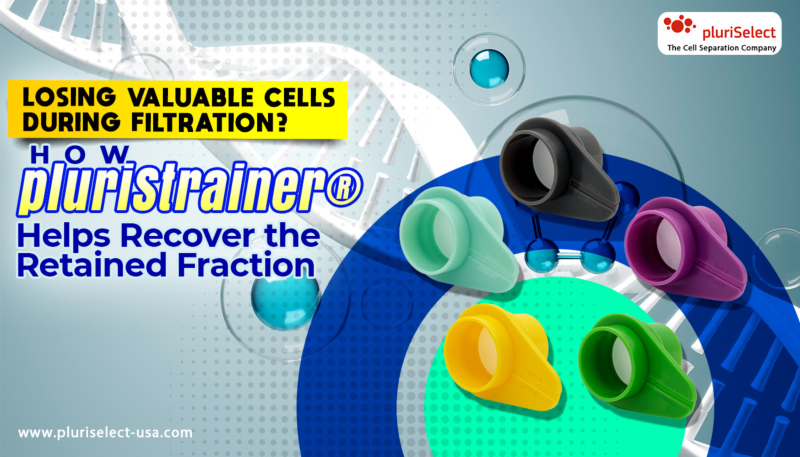
Losing Valuable Cells During Filtration? How pluriStrainer® Helps Recover the Retained Fraction

Losing Valuable Cells During Filtration? How pluriStrainer® Helps Recover the Retained Fraction
Filtration is often used to remove unwanted material, separate cell populations, or prepare a...
Read more

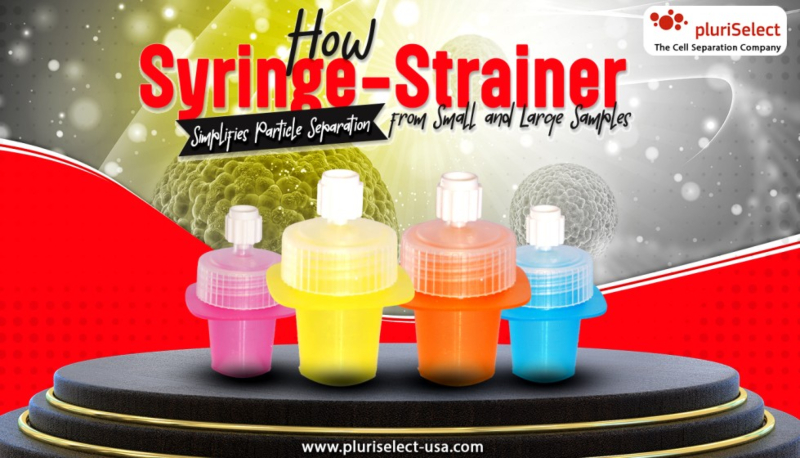
How Syringe-Strainer Simplifies Particle Separation from Small and Large Samples

How Syringe-Strainer Simplifies Particle Separation from Small and Large Samples
Particle separation is a step in laboratory workflows. Researchers often need to remove, collect,...
Read more

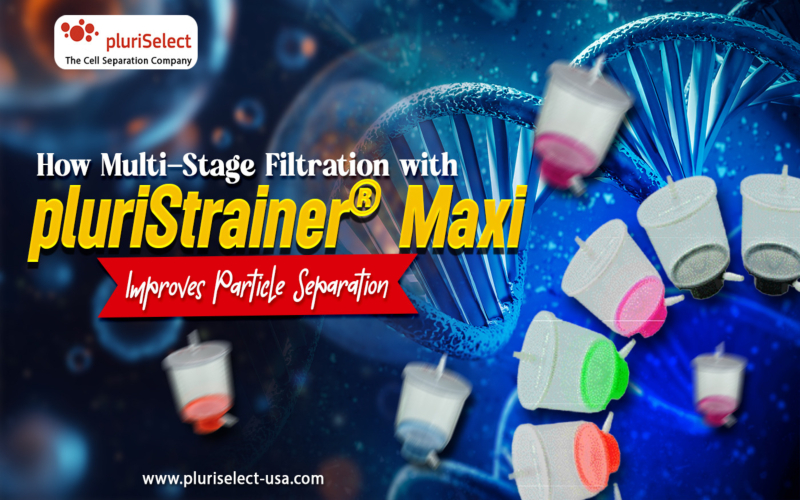
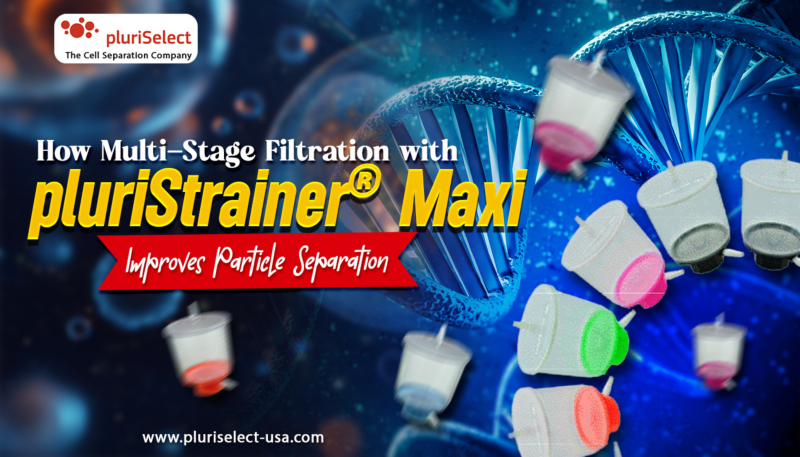
How Multi-Stage Filtration with pluriStrainer® Maxi Improves Particle Separation

How Multi-Stage Filtration with pluriStrainer® Maxi Improves Particle Separation
Separation Laboratory and environmental samples often have particles that differ a lot in size....
Read more
Page